Field Verification Notice (October 2026): Verified against published fee schedules at leading Tier-3 public international departments (Guójì Bù) and private medical networks across Beijing, Shanghai, Guangzhou, and Chengdu. Foreign visitors can legally receive elective medical and dental treatment on any valid tourist, business, or transit visa without special medical permits.
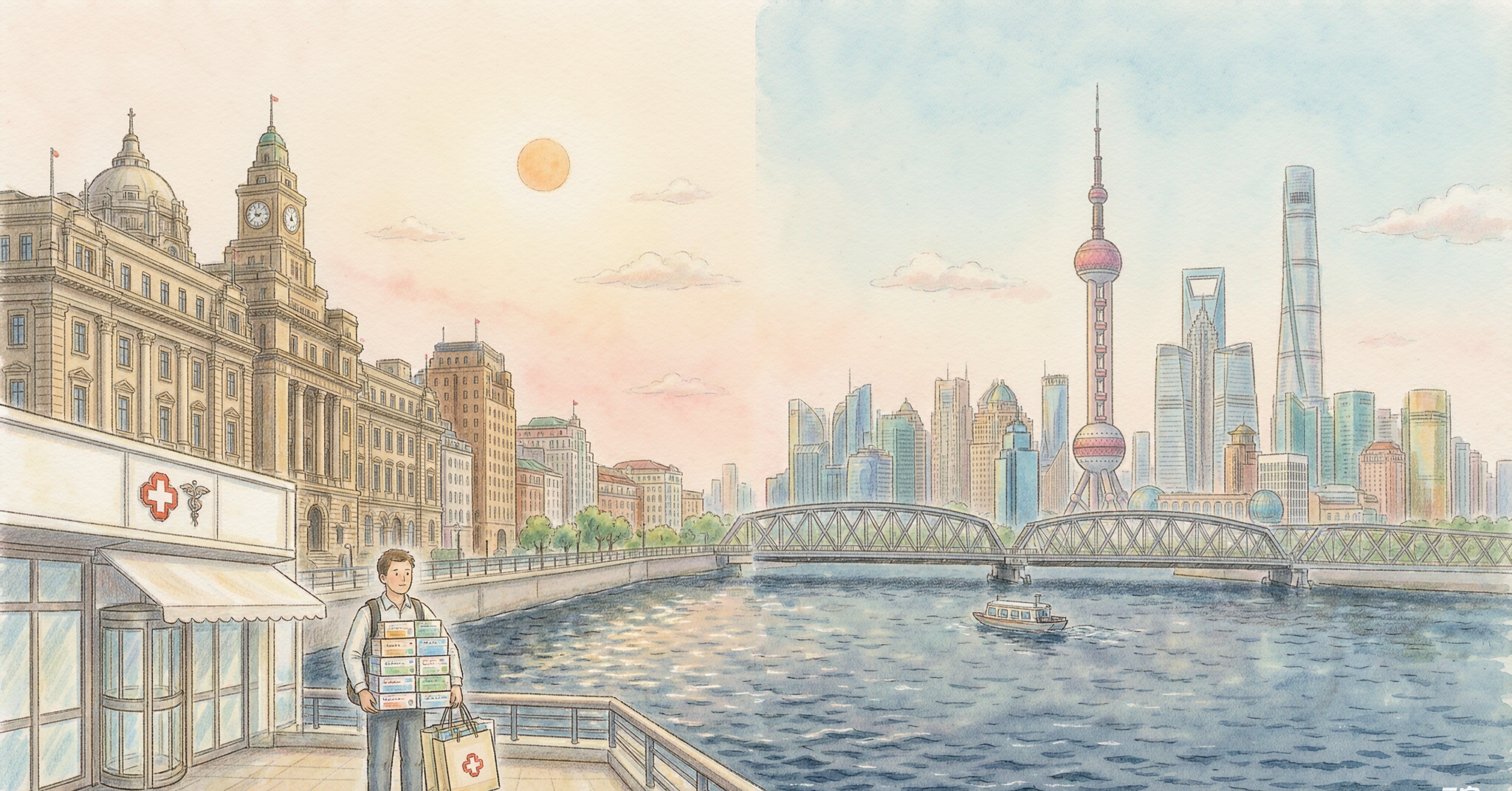
When international travelers plan an extended trip to China, their thoughts naturally gravitate toward bullet trains, tea culture, and bustling digital nomading hubs. Healthcare is rarely on the initial itinerary.
Yet over the past two years, an unexpected travel trend has gained remarkable momentum: travelers quietly scheduling comprehensive dental work, laser eye surgery, or full-body health screenings during their China stay. In 2025 alone, key international-facing hospitals in China treated over 1.28 million foreign patients.
The reason behind this quiet surge comes down to a compelling triple advantage: prices that are 60% to 90% lower than in the United States or Western Europe, diagnostic wait times measured in hours rather than months, and world-class clinical expertise driven by top medical universities and cutting-edge medical equipment.
Whether you are dealing with a sudden toothache or proactively planning an affordable elective treatment, here is how healthcare in China works for foreign visitors.
Comparing Procedure Costs: China vs The West
To understand why international patients are choosing China for elective care, look at representative price benchmarks across common procedures. The figures below reflect treatment in dedicated international departments of top-tier hospitals or accredited private dental networks:
| Procedure | Typical US Cost | Typical UK / EU Cost | China (International Clinic) | Approx. Savings |
|---|---|---|---|---|
| Routine Dental Cleaning | $150 – $300 | £60 – £150 | ¥60 – ¥180 ($8 – $25 USD) | 90%+ |
| Single Dental Implant (Complete) | $3,500 – $5,000 | £2,000 – £3,500 | ¥5,500 – ¥11,000 ($760 – $1,500 USD) | 70% – 80% |
| Porcelain Dental Veneer (Per Tooth) | $1,200 – $2,500 | £600 – £1,400 | ¥2,200 – ¥4,500 ($300 – $620 USD) | 75% |
| High-Resolution MRI Scan | $1,500 – $4,000 | £350 – £800 (Months on NHS) | ¥500 – ¥1,400 ($70 – $195 USD) | 85% – 95% |
| Executive Full-Body Health Check | $2,500 – $7,000 | £1,800 – £4,500 | ¥2,800 – ¥6,500 ($390 – $900 USD) | 75% – 85% |
| LASIK / SMILE Eye Surgery (Both Eyes) | $4,000 – $6,000 | £3,200 – £5,000 | ¥9,000 – ¥18,000 ($1,250 – $2,500 USD) | 60% – 70% |
These savings are not the result of compromised quality or outdated equipment. Leading Chinese facilities utilize the exact same Swiss and German implant systems (such as Straumann and Nobel Biocare) and Zeiss laser platforms found in Harley Street or Beverly Hills clinics. Lower domestic overhead, streamlined pharmaceutical manufacturing, and efficient clinical operations keep costs accessible.
The Speed Advantage: Days Instead of Months
Cost is only half the story; the other is sheer efficiency.
In countries with public healthcare systems like the UK or Canada, securing a specialist referral, an endoscopy, or an MRI scan can take between three to eight months of waiting. In China, diagnostic imaging is practically instant. At a major hospital in Shanghai or Chengdu, you can often consult with a specialist physician in the morning, complete an ultrasound, blood panel, and contrast MRI by the afternoon, and review your digital results directly on your smartphone before dinner.
This remarkable speed is paired with exceptional surgical repetition. Because top Chinese hospitals serve high population densities, a senior orthopedic or dental surgeon often performs more procedures in a single calendar year than their Western counterparts complete across four or five years of practice.
The Most Popular Treatments for Visitors
Three specific areas have become the go-to choices for digital nomads and international visitors:
Dentistry is by far the most popular service. From high-grade ultrasonic plaque cleanings to porcelain veneers and computer-guided implant restorations, dental clinics in major cities like Shanghai, Shenzhen, Chengdu, and Zhengzhou offer clean, modern environments with English-speaking dentists. Routine checkups and cleanings can easily be booked on a few hours’ notice, while crowns and implants can be custom-milled in local dental labs within two to three business days.
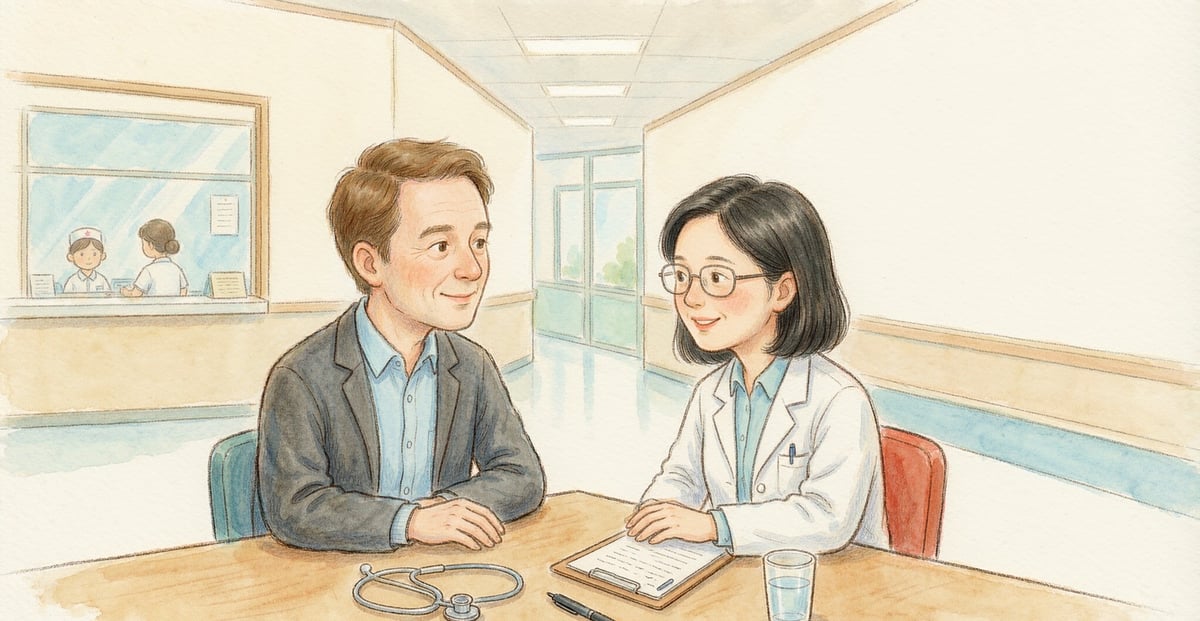
Executive health screenings have also become a favorite travel add-on. Known locally as tǐjiǎn (体检), these comprehensive packages are carried out in dedicated, hotel-like screening centers over four to five hours on a single morning. A standard executive package includes comprehensive metabolic and lipid bloodwork, abdominal and thyroid ultrasounds, low-dose chest CT imaging, electrocardiograms, and vision tests, followed by an immediate one-on-one physician consultation.
Vision correction, particularly SMILE and Femto-LASIK procedures, offers another attractive opportunity. Top eye hospitals in Beijing and Shanghai perform tens of thousands of corrective eye surgeries annually using state-of-the-art Carl Zeiss refractive equipment, with complete pre-operative diagnostics, treatment, and next-day follow-up evaluations easily completed within a four-day stay.
Where to Go: Public International Wings vs Private Hospitals
When seeking care in China, you will choose between two primary types of facilities:
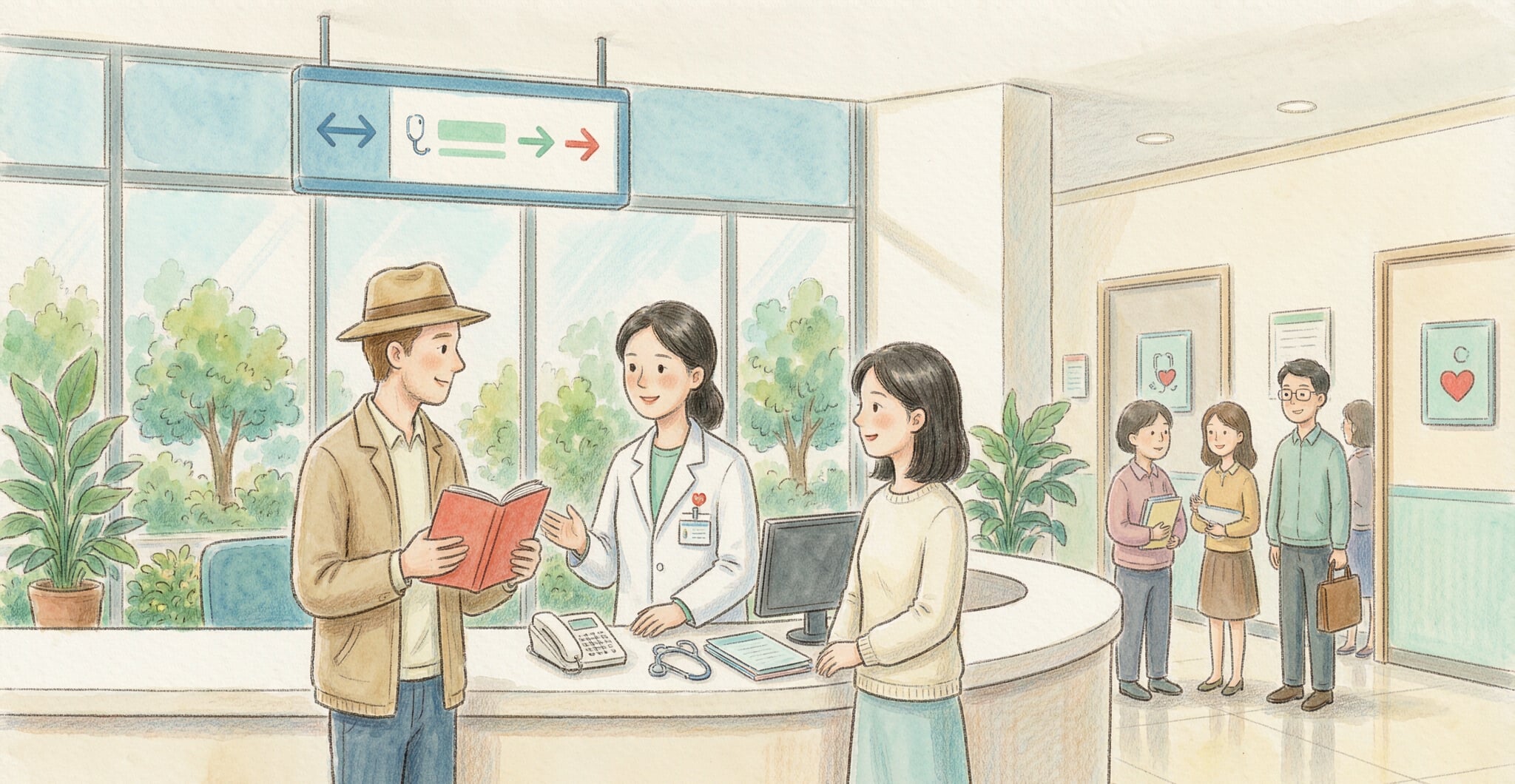
The first option is the International Medical Department (Guójì Yīliáo Bù, 国际医疗部) of a top-tier public Grade-A hospital (Sānjiǎ Yīyuàn, 三甲医院). Renowned institutions like Peking Union Medical College Hospital in Beijing, Ruijin Hospital and Huashan Hospital in Shanghai, and West China Hospital in Chengdu house dedicated international wings. Traveling between these medical hubs is effortless via China’s high-speed rail network (see our 12306 Train Booking Guide). These wings feature private waiting suites, bilingual nurse coordinators, English-language clinical charts, and direct access to the hospital’s most senior chief physicians (Zhǔrèn Yīshī). They represent the gold standard of clinical authority in China.
The second option is fully private international hospital chains, such as Jiahui Health, United Family Healthcare, and ParkwayHealth. These facilities look and operate identically to modern Western private hospitals, with Western-trained staff, native English communication, direct insurance billing with major global expat providers like Cigna and Bupa, and an emphasis on patient comfort and privacy. While consultation fees in private hospitals are higher than in public international wings, they remain a fraction of out-of-pocket American healthcare costs.
Practical Tips for Your Medical Visit
To ensure a smooth and comfortable experience, keep a few practical guidelines in mind:
Always carry your physical passport to any clinic or hospital visit. In China, patient medical records, electronic prescriptions, and laboratory reports are tied directly to your passport number rather than a domestic social security code.
If you are visiting a public hospital’s international wing independently, downloading an accurate translation application on your phone—such as WeChat’s built-in translation or DeepL—can be immensely helpful for discussing minor symptoms with nursing staff. Alternatively, engaging a bilingual local advisory or patient fixer can provide invaluable reassurance, helping you navigate registration windows, pharmacies, and follow-up scheduling seamlessly.
Finally, if you plan to seek reimbursement from your travel health insurance provider back home, simply request an English itemized invoice (fàpiáo) and medical summary before leaving the reception desk. International wings and private clinics issue standard global diagnostic codes (ICD-10) with official corporate billing stamps, making claims submission entirely routine.
Dedicated Medical Logistics & Hospital Resources
- China Medical & Dental Portal: Full procedure price benchmarks, top Tier-3 international wings in Beijing, Shanghai, Guangzhou, and Chengdu.
- Guangdong 25 Pilot International Hospitals: Official pilot hospitals and the GZ Medigo (Sui Kang Lü) platform.
- On-Ground Bilingual Hospital Guide: In-person hospital guiding in Beijing and private pre-trip strategy calls.
- China Arrival Checklist: Complete 12-step preparation before flying to China.
- Alipay & WeChat Pay Guide: How to link foreign cards for hospital and clinic payments.
Curator of China Nomad Guide. Specializing in bespoke route architecture, bilingual on-the-ground fixer services, and neutral medical/dental tourism logistics. Based between Chengdu, Yunnan, and Shanghai.
Get the China Stay China Arrival Kit & Checklist
Don’t get locked out without connectivity or payment at the border. Instant access to our interactive 12-step field guide + offline 1-page PDF printable cheat sheet covering pre-flight eSIMs, foreign card Alipay binding, PSB police registration, and railway ticketing.
Curated by Villanelle (IG: @v.forvillanelle • hello@chinastay.org). Zero spam.