I arrive, and the city arrives vertically
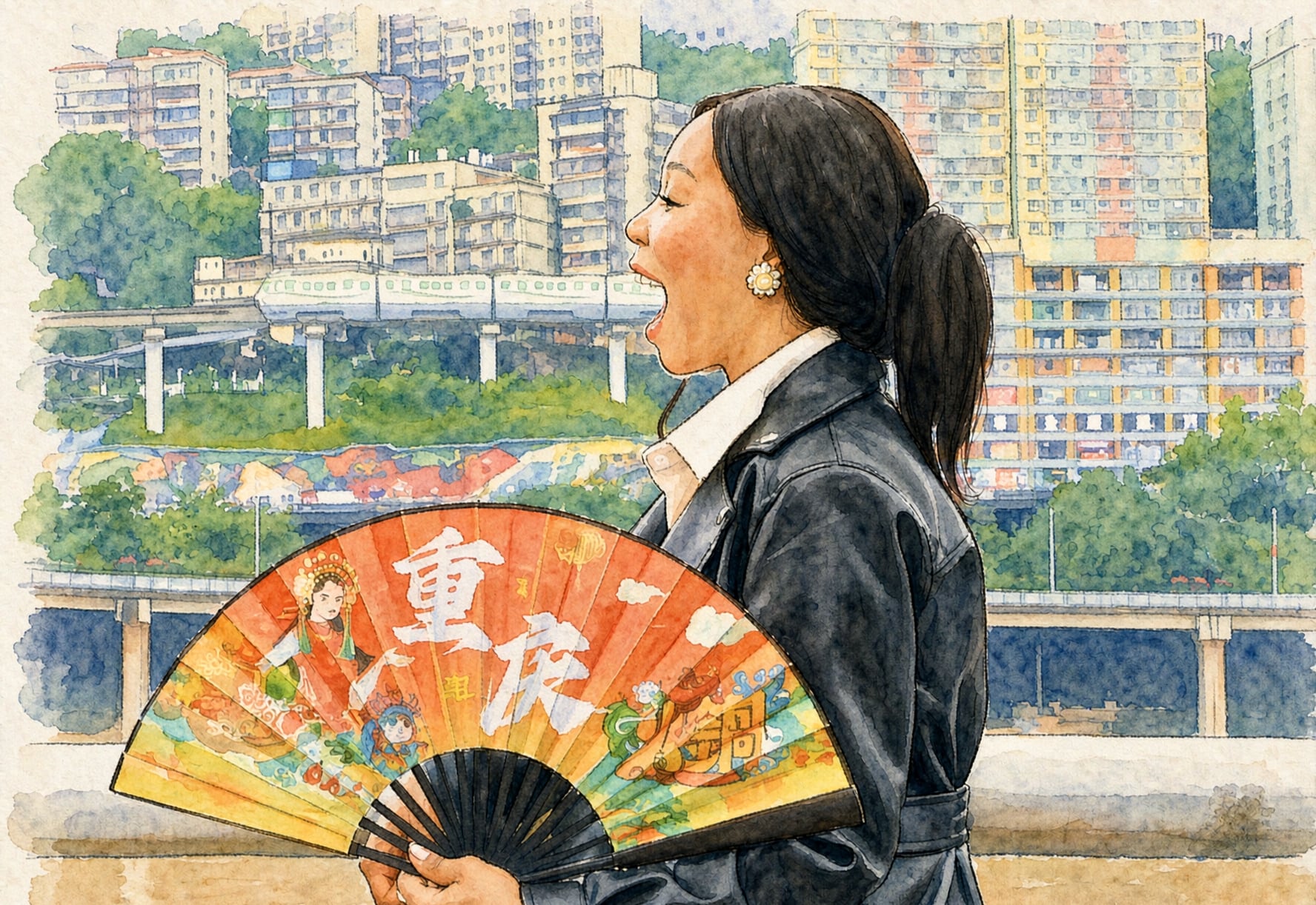
The train pulls into Chongqing and I immediately understand why nobody here gives directions using the words “left” and “right”.
My hotel, according to map apps, is 50 metres away. Twenty-two minutes later I have climbed three separate staircases, walked through a shopping mall, crossed a pedestrian bridge that turned out to be a car park entrance, taken an escalator the height of a small apartment block, and arrived at the back of the hotel kitchen. A delivery driver applauds me.
In Chongqing, the street you are standing on is also somebody’s rooftop and also the basement of the building next door. You can leave your flat on the eighth floor and walk straight out onto the pavement. It is the only city I have ever visited where navigation apps genuinely give up and start guessing.
I was sold the moment I stopped fighting it.
What actually happens when you look out of a cable car
The first thing I do, on the advice of a woman selling oranges outside the station, is ride the Yangtze River Cableway (长江索道).
It costs almost nothing. You step into a retro cabin that sways gently, like a very slow, very high tram, and then the floor drops away and you are hanging above the Yangtze River with the whole mountainous metropolis spread out underneath you.
Below is a layered labyrinth of buildings stacked on top of other buildings, their windows glowing in the late afternoon light. A monorail passes straight through the side of a residential tower at Liziba. An expressway loops around an apartment block at the level where, in any other city, there would be clouds. Somewhere a speaker is playing what I can only describe as karaoke jazz.
The man next to me is holding a toddler who is very seriously explaining something about a duck.
You do not visit Chongqing. Chongqing lifts you up in a small box, shows you a view that makes no architectural sense whatsoever, and asks if you are ready to walk down 300 steps to get dinner.
You are. You really, really are.
The streets that were not built for your suitcase
The part of Chongqing nobody photographs enough is the stairs.
There are neighbourhoods where the only way between houses is a stone staircase worn smooth in the middle by eighty years of flip-flops and market baskets. Old men play cards on plastic stools at the top of one flight, and a woman hangs her washing across the bottom of another. Children run up and down them like it is a playground, which, frankly, it is.
I count 142 steps between two streets that the map insists are the same street. I am fairly sure the map is lying.
This is not sightseeing. It is just living somewhere that happens to be built on the side of a mountain, and it is the most fun I have had getting anywhere all year.
Practical things I learned the hard way:
- Pack light. A 24-inch suitcase in Chongqing is a hostage situation.
- The metro is your friend, especially Line 2 for the segment where it glides through a residential building.
- Ask locals for directions by landmark, never by numerical street address.
- Comfortable shoes with grip are not a suggestion. They are a survival requirement.
Hongyadong, but not like everyone else
Yes, I went to Hongyadong (洪崖洞). I would be a fool not to. It is a stacked wooden stilt-house (diaojiaolou) complex built directly into the sheer river cliff, illuminated at night like a fantasy film set, and yes, it is full of people taking the same photograph.
Here is the secret, though: go at 6:00 PM, before the evening illuminations turn on.
You get the entire multi-tiered structure without the dense tourist crowds, and you can actually study what it is: a masterwork of historic Bayu river architecture reconstructed upwards into something that could only exist in this vertical topography. The food levels underneath sell sour-and-spicy sweet potato noodles (suanlafen), grilled tofu, and crispy glutinous cakes filled with molten brown sugar that burst when you bite them.
Then stay for the lights. The whole cliffside turns gold and amber, and the river below fills with shimmering reflections. It is unashamedly dramatic and unashamedly beautiful.
Hotpot is not a meal, it is a group project
The first time I eat hotpot in Chongqing, I make a classic beginner’s error.
I order the full spicy tallow soup (全辣红油锅). The full, no-mercy, bright crimson, Sichuan pepper-floating cauldron. My local friend watches me do this the way you watch someone walk towards a beehive holding a jam sandwich.
Ten minutes later I am sweating through my shirt and fanning my tongue with a napkin while a neighboring table cheers.
Here is what I wish someone had told me: order the half-and-half pot (鸳鸯锅 / Yuanyang Guo). One side is the fiery, numbing crimson broth. The other is a soothing, savory bone broth simmered with wild mushrooms and goji berries. You can retreat to it whenever your palate needs an emergency reset.
Essential orders for your table:
| Dish | Why It Matters |
|---|---|
| Lotus Root (莲藕) | Crisp, sweet, and absorbs the rich chili aromatics |
| Sweet Potato Glass Noodles (苕粉) | Wonderfully chewy and satisfying |
| Duck Intestine & Tripe (毛肚 / 鸭肠) | The true benchmark of fresh Chongqing hotpot — 8-second quick dip only |
| Fresh Leafy Greens (青菜) | Balance out the rich sesame oil dip |
| Brown Sugar Rice Cakes (红糖糍粑) | Crispy outside, molten inside — the ultimate fire-extinguisher dessert |
Do not skip the dipping bowl of toasted sesame oil, minced garlic, scallions, and oyster sauce placed before you. It is not decorative seasoning; the oil coats your stomach lining and moderates the intense capsaicin heat.
Ciqikou is fine. The alleys behind Ciqikou are the point
Ciqikou (磁器口) is the famed riverside old town, packed with shops selling freshly pulled candy and crunchy fried dough twists (chenmahua). You will inevitably walk through it.
But venture ten minutes uphill behind the main strip.
High above the commercial shops are quiet moss-covered stone alleyways where weathered wooden doorways open directly onto the stone stairs. An artisan repairs a bamboo chair with twine; an unmarked teahouse features four wooden tables, a sleeping calico cat, and an elder who waves you in without a printed menu.
This is where Chongqing genuinely lives — in the quiet crevices that digital maps neglect.
A note on local teahouses: Order a simple bowl of Jasmine green tea (tuocha or bipin). It costs ¥10–¥20 with unlimited hot water from a steaming copper kettle. Nobody here rushes you.
Where to Stay: Neighborhood Comparison
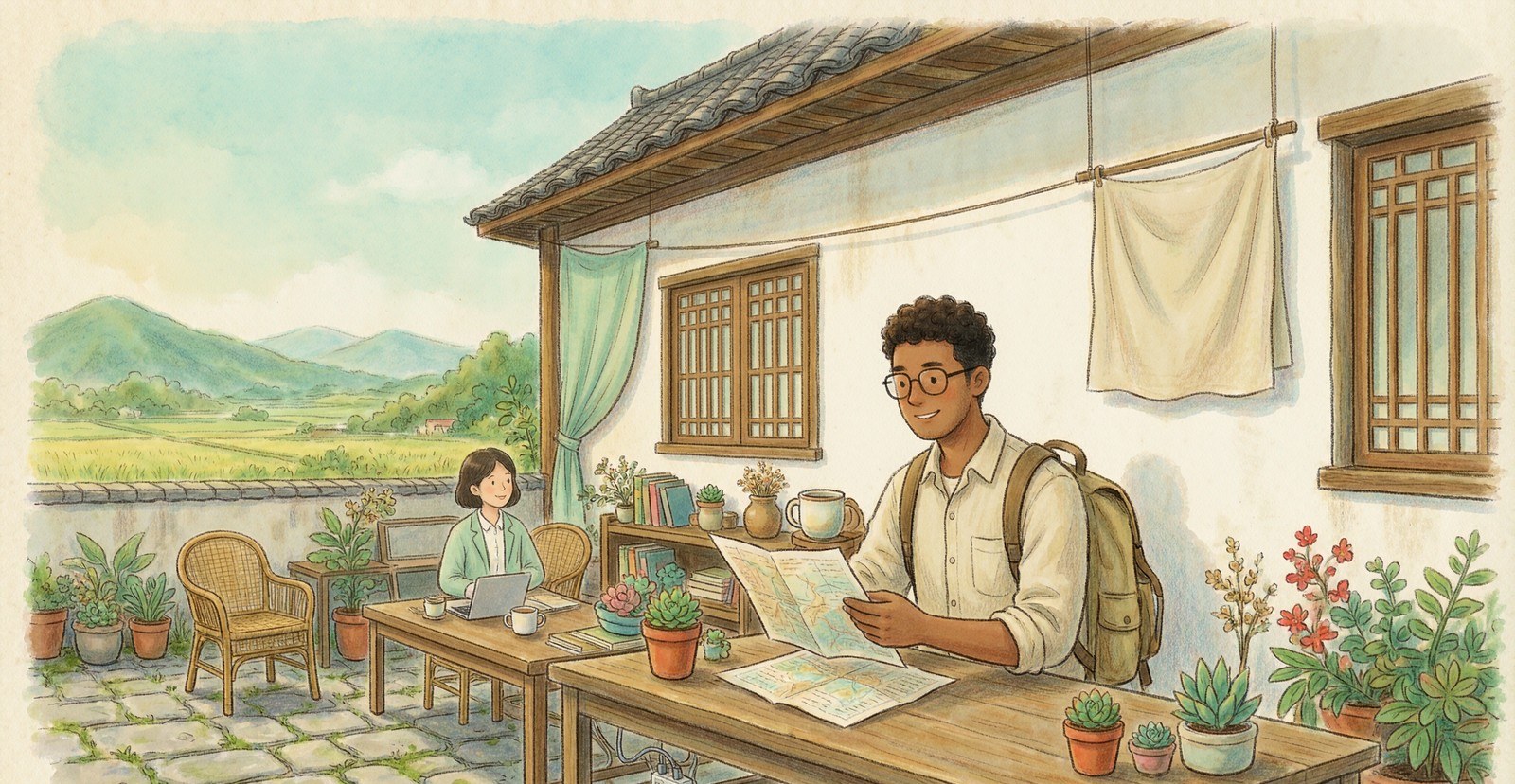
Chongqing’s geography is massive and fragmented by two major rivers (the Yangtze and the Jialing). Choosing the right base determines whether you spend your days exploring or stuck on hillside switchbacks:
| Area | Best For | Daily Atmosphere |
|---|---|---|
| Jiefangbei (解放碑) | First-timers & urban convenience | Vertical skyscrapers, midnight noodle bars, bustling nightlife |
| Nan’an Riverfront (南岸区) | Scenic slow living & river panoramas | Quieter streets, direct Yangtze Cableway access, postcard skyline views |
| Liziba & Daping (李子坝 / 大坪) | Quirky transit fans & hillside cafes | Monorail views, terraced garden coffee shops, residential feel |
| Guanyinqiao (观音桥) | Foodies & younger crowds | Modern commercial pedestrian streets, trendy cafes, lively night markets |
My Recommendation: Nan’an District, in a riverside boutique stay or serviced apartment facing the Yuzhong peninsula. You can watch the entire city illuminate across the water from your desk, with easy ferry or metro access across the river.
Cost of Living Breakdown for Slow Travelers & Nomads
Chongqing delivers world-class urban density and infrastructure at remarkably affordable rates (compare all regions in our China Cost of Living Breakdown):
| Expense Category | Monthly Cost (CNY) | Monthly Cost (USD) | Practical Notes |
|---|---|---|---|
| Furnished 1-Bed Apartment / Loft | ¥2,400 – ¥3,800 | $330 – $525 | High-rise view apartment in Nan’an or Yuzhong (see Long-Term Housing) |
| Daily Food & Street Delicacies | ¥1,400 – ¥2,200 | $195 – $305 | Xiao Mian noodles (¥8–¥12), street baozi, and shared hotpots |
| Specialty Coffee & Teahouses | ¥400 – ¥700 | $55 – $95 | Mountain view cafes and neighborhood jasmine tea courtyards |
| Metro & Public Transit | ¥120 – ¥220 | $17 – $30 | Alipay CRT transit QR; unlimited rides across 12 lines |
| Coworking & Work-Friendly Cafes | ¥600 – ¥1,000 | $85 – $140 | Dedicated desks or cafe setups (see Best Coworking Spaces) |
| Total Estimated Budget | ¥4,920 – ¥7,920 | $682 – $1,095 | High-energy city life at third-tier prices |
When settling into a private apartment or riverside loft in Chongqing, ensure your host assists with your mandatory 24-hour police accommodation registration (PSB).
Why Chongqing Belongs in a Slow-Travel Playbook
Chongqing is not a destination where you check three tourist monuments off a bucket list and catch an afternoon flight out.
It is a city you submit to.
You get turned around three times before breakfast. You eat a bowl of spicy pea noodles (wanza mian) from an alley stall with no English signage. You watch a crimson monorail disappear into the sixth floor of a concrete residential tower. You cross the Yangtze suspended in an aerial cable car and spend the afternoon reading under weeping willows on a hillside terrace.
And when night falls, when your legs ache from 8,000 vertical stone steps and the river below reflects a cascade of neon and gold, you sit on a high stone parapet and realize: you have rarely felt this alive in any modern metropolis.
Quick Reference & Logistics
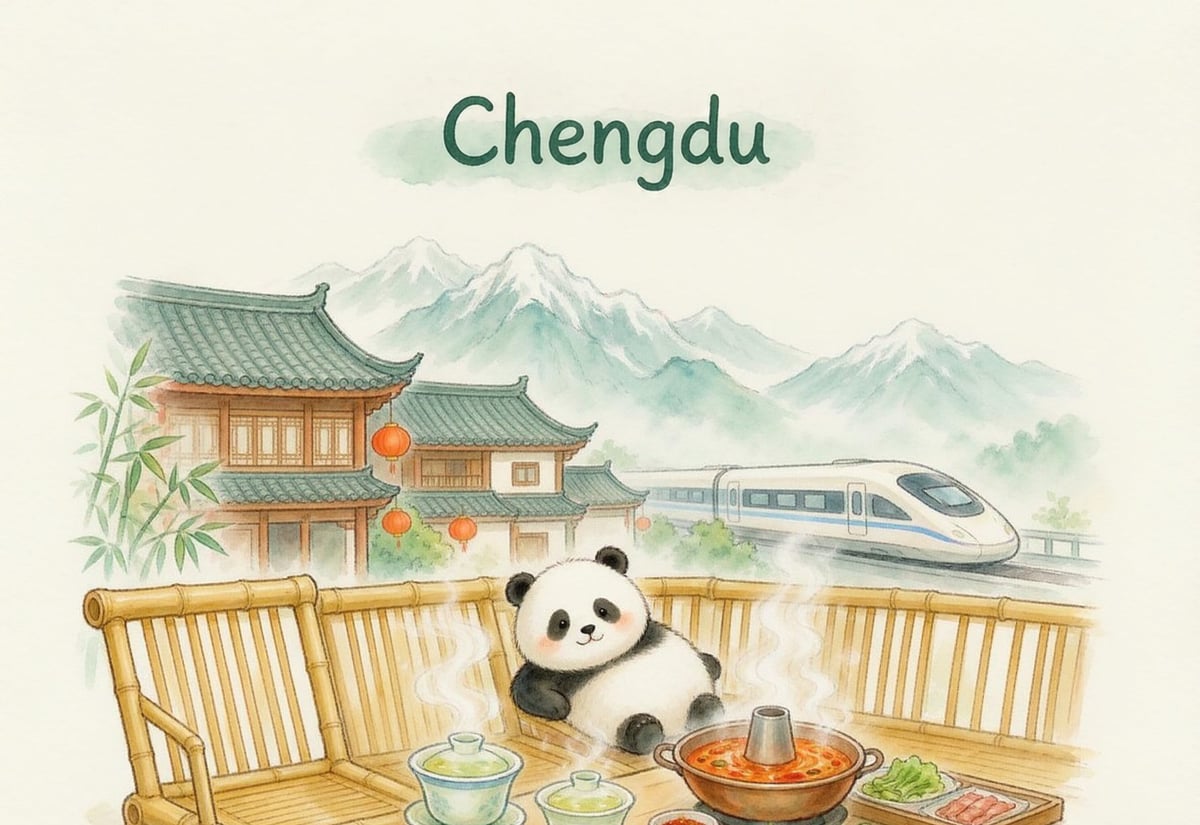
- Twin-City High-Speed Rail: The 350 km/h bullet train connects Chongqing West / North Station to Chengdu in just 1 hour 15 minutes (¥164 CNY). Book tickets easily via China Railway 12306.
- Airport Gateways & Visas: Chongqing Jiangbei International Airport (CKG) is an approved port for China’s 240-Hour Visa-Free Transit (TWOV). Test your flight eligibility on our Transit Visa-Free Checker.
- Transit Navigation: Download Metro Man or use Alipay’s built-in CRT transit code (see Alipay & WeChat Pay Guide). For road taxis, always use Didi with GPS pick-up pins to avoid navigation misunderstandings.
- Connectivity: 5G fiber speeds average 180–300 Mbps across central urban districts. Configure stealth connection tools before departure (see VPN & Internet Survival Guide).
- Arrival Prep: Review our Interactive 10-Step China Arrival Checklist or connect with our Local Advisory Services for custom western China itineraries.
Curator of China Nomad Guide. Specializing in bespoke route architecture, bilingual on-the-ground fixer services, and neutral medical/dental tourism logistics. Based between Chengdu, Yunnan, and Shanghai.
Get the China Stay China Arrival Kit & Checklist
Don’t get locked out without connectivity or payment at the border. Instant access to our interactive 12-step field guide + offline 1-page PDF printable cheat sheet covering pre-flight eSIMs, foreign card Alipay binding, PSB police registration, and railway ticketing.
Curated by Villanelle (IG: @v.forvillanelle • hello@chinastay.org). Zero spam.